Every neighborhood has that one walker everybody quietly appreciates: leash always in hand, dog calm at the curb, bag out before anyone has to look away. Dog walking etiquette is what separates that person from the one the community group chat complains about. It is not about being fussy; it is a shared code that keeps sidewalks, parks, and neighbor relationships working.
Whether you just adopted your first dog or you have walked the same loop for a decade, these ten rules cover what actually matters in 2026, plus the sticky situations the basic lists skip.
The 10 Rules of Modern Dog Walking Etiquette
- Pick up every time, everywhere. Grass strips, tree lawns, trail edges, all of it. No exceptions and no “it’s basically the woods” loopholes.
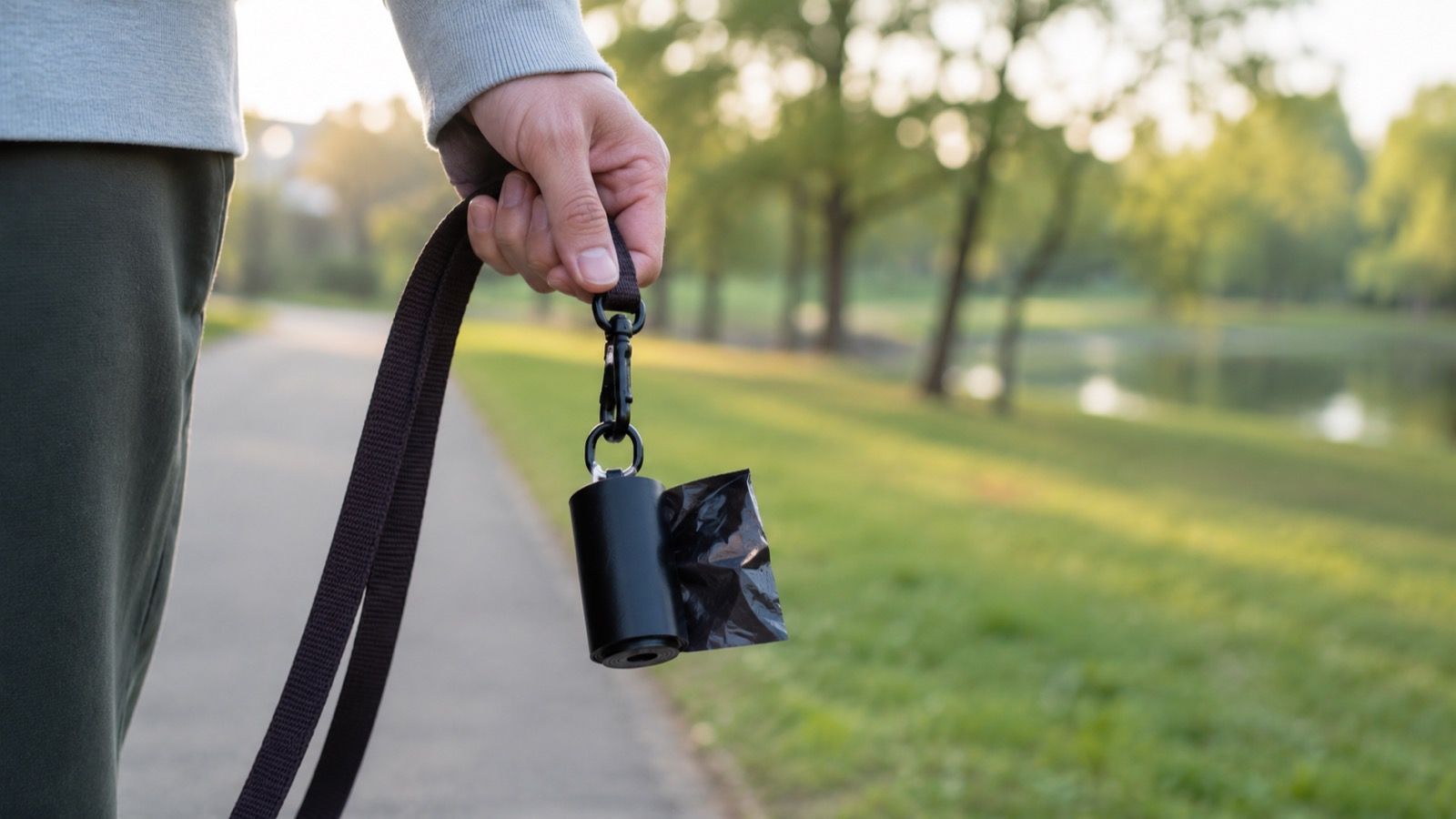
- Carry two bags minimum per dog. The second bag exists for the day the first one is not enough.
- Keep the leash at six feet or less in shared spaces. Retractables locked short around other people, always.
- Ask before any greeting, dog-to-dog or human-to-dog. A yes costs three seconds; an assumption can cost a fight.
- Pass single file and curbside. Move your dog to your outside hip when passing strollers, runners, and seniors.
- Never let your dog eliminate on flower beds, mailbox posts, or lawns with visible care. Aim for public strips and neutral ground.
- Announce yourself when overtaking on trails: a simple “on your left” prevents startled dogs and tangled leashes.
- Skip the walk if your dog is sick. Kennel cough and giardia travel the neighborhood on shared sniffing spots.
- Respect the no thanks. Some dogs are reactive, in training, or recovering. A yellow ribbon or a wide arc means give space.
- Carry waste to a proper bin. Leaving a tied bag on the trail edge “to grab later” fools no one and usually stays there.
Should You Let Your Dog Greet Every Dog You Pass?
No, and this surprises many friendly-dog owners. On-leash greetings between unfamiliar dogs create tension: leashes remove escape routes, and face-to-face approaches are rude in dog body language. Trainers at the American Kennel Club consistently advise treating walks as engagement time with you, not a meet-and-greet circuit.
A good default: keep moving, reward attention on you, and save socializing for off-leash spaces with dogs your dog already knows. If both owners genuinely want a greeting, keep it to three seconds, loose leashes, and end it before either dog stiffens.
Sticky Situations, Solved
| Situation | The right move | Why it works |
|---|---|---|
| Your dog poops on a private lawn | Pick up fully, wave if the owner is visible | Visible accountability defuses irritation |
| You ran out of bags | Mark the spot, return within the hour | Coming back is the etiquette; forgetting is the offense |
| Off-leash dog charges you | Step between, firm “sit”, call to the owner | Blocking protects your dog without escalating |
| Neighbor never picks up | Friendly direct word first, HOA or 311 second | Most offenders stop once seen, not shamed |
The Poop Rule Deserves Its Own Section
Waste is the number one dog complaint filed with U.S. city hotlines, ahead of barking in many metros. It is also the piece of dog walking etiquette with a public health floor under it: waste left on routes gets tracked into homes on shoes and paws.
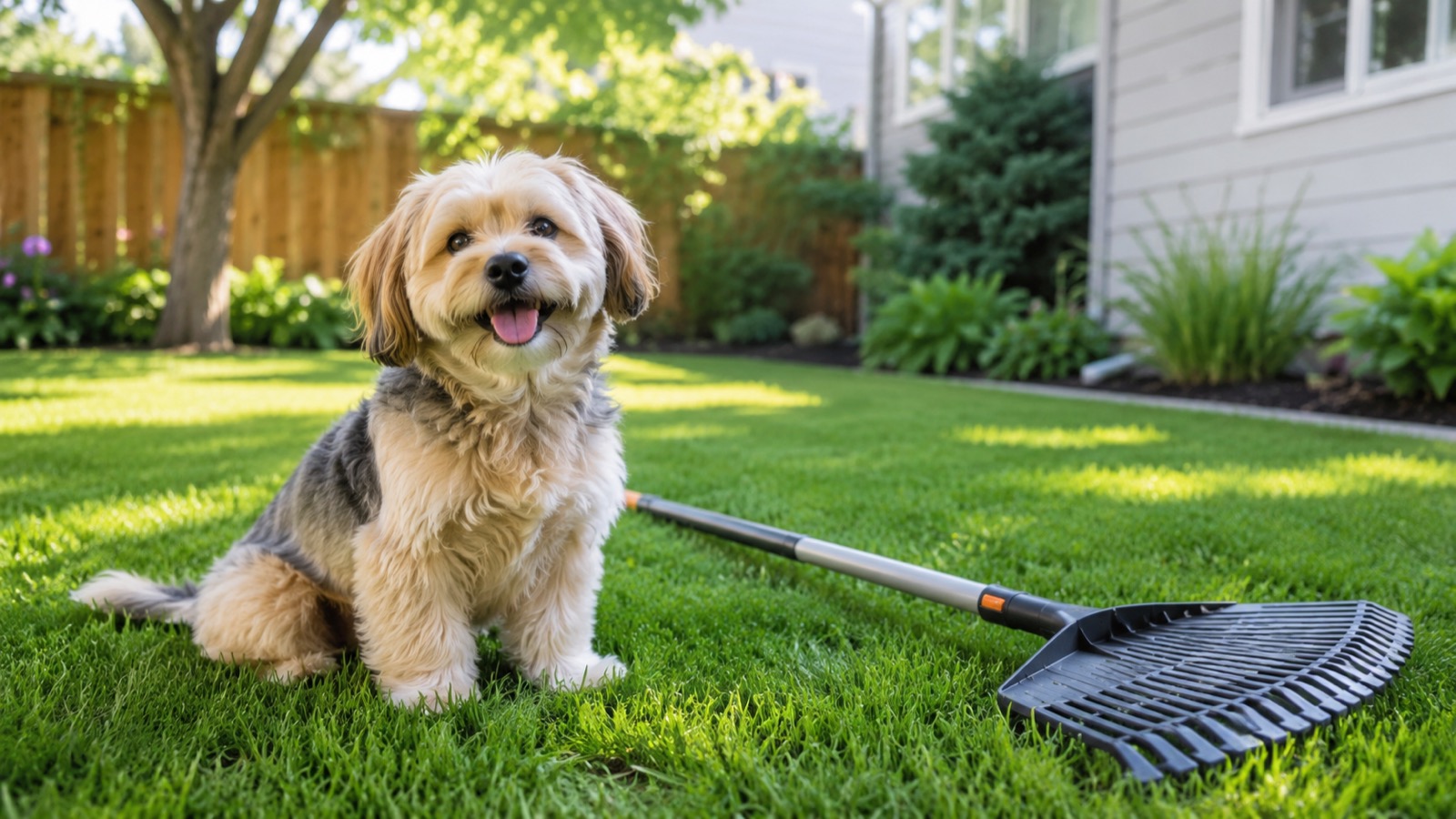
Etiquette extends to your own property line too. A yard that generates smells or flies breaks the neighbor code just as surely as a skipped sidewalk pickup. Reviewers hunting for the Best pooper scooper for home use generally land on long-handled, bag-lined designs, because a tool that makes the job touch-free is a tool that actually gets used daily.
Build a Grab-and-Go Walking Kit
The walkers who never get caught unprepared stage their gear. Keep it by the door or in the car:
- Two bag rolls, one clipped to each leash you own
- Treats for recall and curb sits
- A collapsible water bowl for summer loops
- A small flashlight or clip light for early winter evenings
- Hand sanitizer for the post-bin moment
Dog walkers who handle multiple clients take this further, organizing leashes, bags, and first-aid basics in a heavy duty tool bag that moves from car to trailhead in one grab. Any multi-dog owner can copy that system for cheap.
If you hire out your midday walks, hold professionals to this same code. Interview them like reputable service experts in any field: insured, references on request, and clear answers about leashing rules, greeting policy, and what they do with waste.
Different Spaces, Different Rules
The core code flexes by venue. Apartment corridors and elevators call for a short leash and a sit at the door, since not every neighbor loves a nose-level greeting in a six-by-six box. Many buildings in 2026 also designate relief areas, and using them is the difference between amenity and violation.
On multi-use trails, the working rule is yield to everyone: bikes announce, but horses spook, so step off-trail with your dog on the downhill side and let riders pass. In busy city cores, curb your dog literally, guiding elimination to the gutter line rather than the sidewalk center that strollers and wheelchairs must use.
Dog parks invert the usual rules: leashes off inside the gate, because a single leashed dog in a loose group creates defensive tension. Your job there shifts to active watching, interrupting rough play early, and leaving when your dog stops enjoying it.
Frequently Asked Questions
Is it rude to let my dog pee on someone’s mailbox or lawn edge?
Yes, on anything clearly maintained or owned. Repeated urine kills plantings and stains posts. Steer to public strips, tree lawns without new sod, and natural areas, and keep moving past decorated yards.
Do leash laws apply if my dog has perfect recall?
Almost everywhere, yes. Leash ordinances protect other people and dogs who do not know your dog is friendly, and off-leash violations can void you in liability disputes even when your dog did nothing wrong.
What should I do with the bag if there are no bins on my route?
Carry it home; that is the standard. A dedicated leash clip or a small carabiner holds tied bags away from your hand, making the carry painless enough that you will actually do it.
Walk Like the Neighbor Everyone Wants
Dog walking etiquette boils down to visibility, space, and cleanup: control your dog, respect the bubble around others, and leave no trace. Adopt the two-bag rule and the three-second greeting cap on tomorrow’s walk, and you are already in the top tier of owners on your street.